
How to build an ecommerce subscription strategy beyond subscribe and save
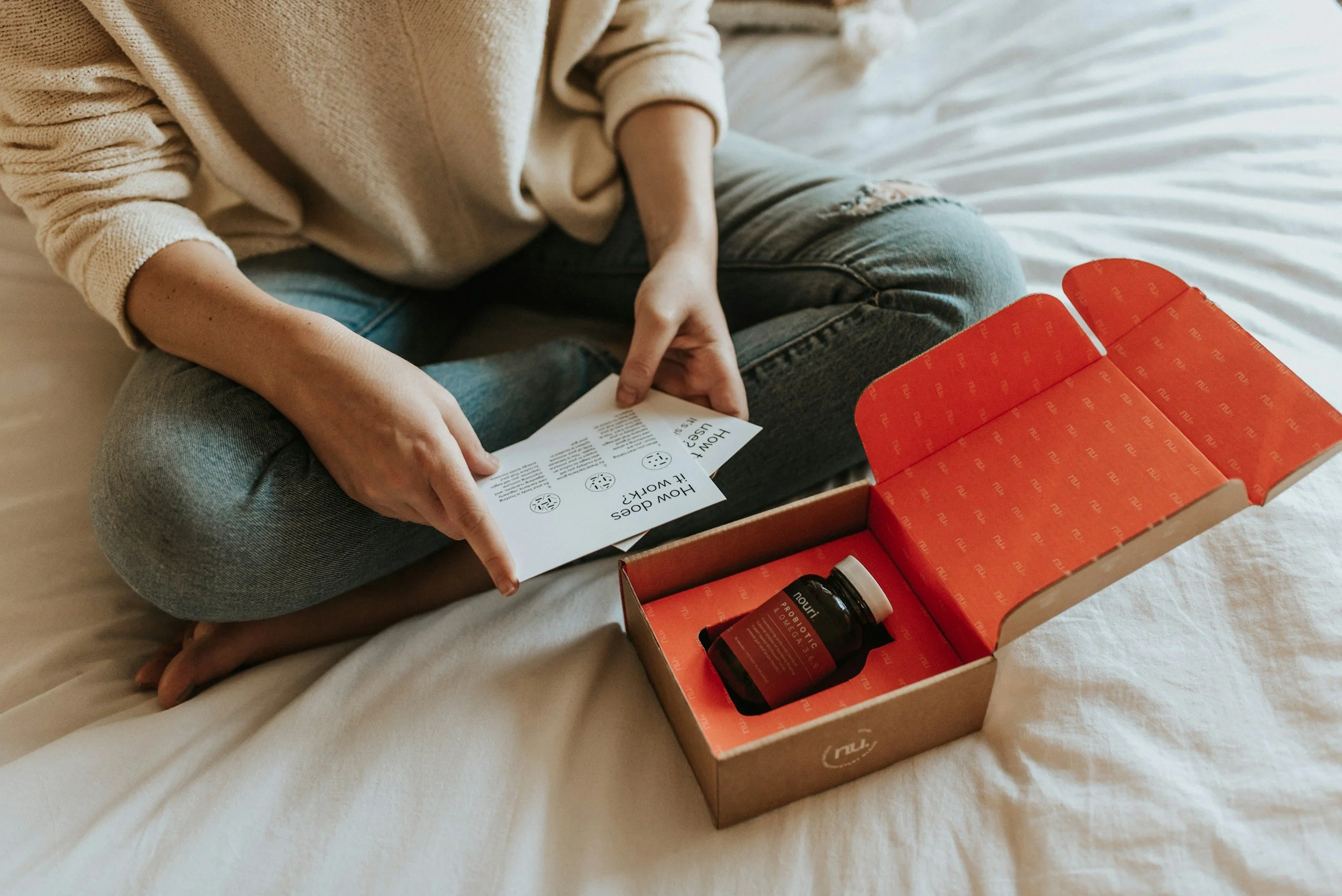
Most ecommerce subscriptions are stuck in “subscribe and save”. A small discount, usually around 10%, in exchange for receiving the same product on a fixed cadence, often every 30 days. And that does work, up to a point, but it’s not really a subscription strategy. It’s a pricing mechanic.
But people don’t live in neat 30-day cycles, and their need for products rarely behaves that predictably.
Subscriptions should be proposition-led, not product-led
A stronger subscription model shifts away from the product itself and towards the role that product plays in someone’s life. It becomes less about “we’ll send this regularly” and more about “this part of your routine is taken care of” or “you don’t need to think about this anymore”. The product is still there, obviously, but it stops being the centre of the idea.
You stop focusing purely on repeat orders and start paying attention to how people actually use things over time, including the fact that usage naturally rises and falls.
Good retention starts with good acquisition and onboarding
If someone joins and immediately understands how the subscription fits into their life, what flexibility they have, and what happens when their needs change, you remove a huge amount of future friction. If they don’t, every small mismatch later becomes a cancellation trigger.
Despite that, onboarding is still often treated as a basic confirmation moment rather than a foundational part of the experience. A welcome email, a discount reminder, a quick “you’re all set”. There is far more opportunity in those early moments to set expectations properly and frame the subscription as something that adapts with the customer rather than something that assumes consistency from them.
A quiet subscriber is not a churned subscriber
People pause, slow down, or drift away for completely normal reasons. They might already have enough stock, their usage might have changed, or their routine might simply not align with the cadence anymore. That is not disengagement, it is timing.
Those pauses are often some of the most valuable moments to understand, because the relationship hasn’t ended. It has just gone quiet temporarily. How you treat that period matters a lot more than most brands realise.
And churn isn’t always a problem anyway!
In many cases, people cancel because they have too much product or because the timing no longer works for them. That is not a broken relationship, it is a natural point in their usage cycle.
The mistake is treating cancellation as the end of the conversation rather than a signal within it.
Instead of trying to prevent every cancellation, it is usually more useful to simply ask what has changed. A straightforward question like “what’s changed for you?” tends to surface very practical answers such as excess stock, financial timing, shifts in routine, or changing needs. Very rarely is it a rejection of the brand itself, which is why assuming loss at the point of cancellation often leads you in the wrong direction.
The power of simple, human communication
One of the simplest but most underused tools in subscriptions is also the most human: direct communication that doesn’t immediately try to sell or fix something.
Messages that simply check in, ask how things are working, or acknowledge that something might not be quite right can do more for long-term trust than highly optimised retention sequences. They feel like someone is actually paying attention rather than reacting to a flow.
Offline touchpoints still matter more than we think
Offline touchpoints play a similar role. A note in a parcel, a postcard when someone pauses, or a simple thank you that arrives outside of the usual digital channels stands out precisely because everything else is digital. It doesn’t need to be loud to be effective. It just needs to feel intentional.
And in subscriptions, that kind of care tends to matter more than any amount of optimisation behind the scenes.
Subscriptions need to flex with real life
Ultimately, subscriptions work best when they are designed for real life rather than ideal behaviour.
That means making it easy to pause, easy to leave, and easy to come back when the timing is right again.
Not as a concession, but because that is how people actually behave over time.
The goal is not to lock someone into a recurring order. It is to remain useful enough and relevant enough that the relationship continues, even as it naturally ebbs and flows.
And when you design for that reality, you don’t need to force retention in the same way, because it tends to take care of itself.